Promoting Active Lifestyles for Children and Youth
In today's digital age, children and youth are increasingly drawn to screens, leading to a decline in physical activity. This shift poses significant health risks, including obesity, diabetes, and mental health issues. Encouraging an active lifestyle is essential for the well-being of our younger generations. This blog post explores practical strategies to promote physical activity among children and youth, emphasizing the importance of movement in their daily lives.

Understanding the Importance of Physical Activity
Physical activity is crucial for children and youth for several reasons:
Physical Health: Regular exercise helps maintain a healthy weight, strengthens bones and muscles, and reduces the risk of chronic diseases.
Mental Well-being: Physical activity is linked to improved mood and reduced symptoms of anxiety and depression.
Social Skills: Engaging in sports and group activities fosters teamwork, communication, and friendship.
Cognitive Development: Exercise has been shown to enhance concentration and academic performance.
The Current Landscape of Youth Activity Levels
According to the World Health Organization, only 20% of adolescents meet the recommended guidelines for physical activity. This statistic highlights the urgent need for parents, educators, and communities to take action.
Strategies to Promote Active Lifestyles
1. Create a Supportive Environment
A supportive environment plays a vital role in encouraging children to be active. Here are some ways to foster such an environment:
Safe Spaces: Ensure that parks, playgrounds, and recreational areas are safe and accessible.
Community Programs: Support local initiatives that offer sports leagues, dance classes, and outdoor activities.
Family Involvement: Encourage families to participate in physical activities together, such as hiking, biking, or playing sports.
2. Integrate Physical Activity into Daily Routines
Incorporating movement into daily life can make physical activity a natural part of a child's routine. Consider these strategies:
Active Transportation: Encourage walking or biking to school instead of driving.
Breaks During Study Time: Promote short breaks for physical activity during homework or study sessions.
Household Chores: Involve children in chores that require movement, such as gardening or cleaning.
3. Make It Fun
Children are more likely to engage in physical activity if it is enjoyable. Here are some ideas to make exercise fun:
Variety of Activities: Offer a range of activities, from team sports to dance classes, to cater to different interests.
Games and Challenges: Organize friendly competitions or games that promote movement, such as scavenger hunts or obstacle courses.
Incorporate Technology: Use fitness apps or video games that encourage physical activity, making it more appealing to tech-savvy youth.
4. Educate on the Benefits of an Active Lifestyle
Education is key to fostering a culture of activity. Here are ways to educate children and youth about the importance of physical activity:
Workshops and Seminars: Host events that teach children about nutrition, exercise, and overall health.
School Curriculum: Integrate health and physical education into the school curriculum to emphasize the importance of an active lifestyle.
Role Models: Encourage parents and teachers to model active behaviors, demonstrating the value of physical activity.
5. Leverage Community Resources
Communities can play a significant role in promoting active lifestyles. Here are some resources to consider:
Local Sports Clubs: Partner with local sports clubs to provide affordable access to organized sports.
Health Initiatives: Collaborate with health organizations to create programs that encourage physical activity among youth.
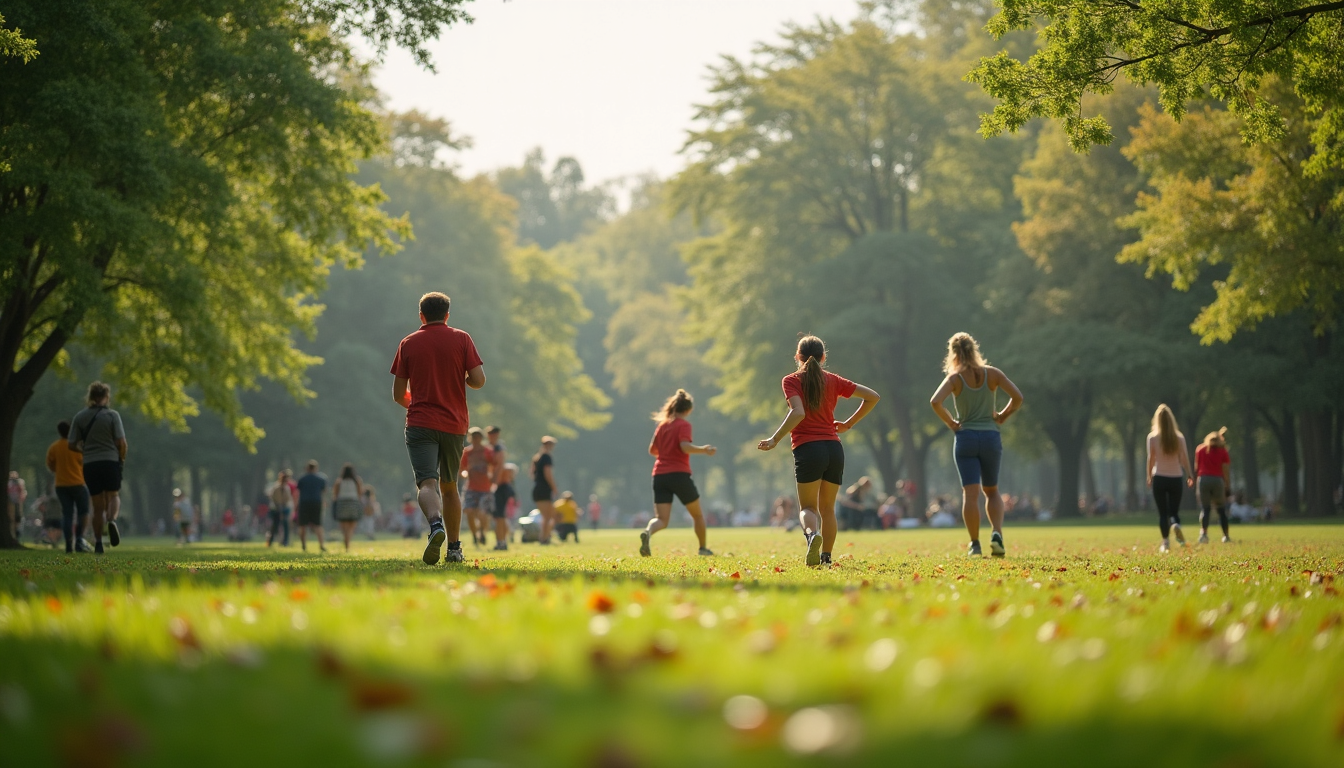
Public Events: Organize community events, such as fun runs or sports days, to engage families and promote active living.
Overcoming Barriers to Physical Activity
Despite the benefits, several barriers can prevent children and youth from being active. Here are common challenges and potential solutions:
Lack of Time
Many families struggle to find time for physical activity amidst busy schedules. To address this:
Prioritize Activity: Encourage families to schedule regular physical activity, treating it as an essential appointment.
Combine Activities: Suggest combining physical activity with other commitments, such as walking to a friend's house or biking to the store.
Limited Access to Facilities
Not all communities have access to parks or recreational facilities. To overcome this:
Utilize Home Spaces: Encourage families to create active spaces at home, such as a backyard or living room for indoor games.
Community Partnerships: Work with local organizations to improve access to recreational facilities.
Fear of Injury
Parents may worry about their children's safety during physical activities. To alleviate these concerns:
Educate on Safety: Provide information on safe practices and proper equipment for various activities.
Supervised Activities: Organize supervised events where children can participate in physical activities with trained adults.
The Role of Schools in Promoting Active Lifestyles
Schools are pivotal in promoting physical activity among children and youth. Here are ways schools can contribute:
Physical Education Programs
Implementing comprehensive physical education programs can significantly impact students' activity levels. Schools should:
Offer Diverse Activities: Include a variety of sports and fitness options to cater to different interests.
Encourage Participation: Create a supportive environment that encourages all students to participate, regardless of skill level.
After-School Programs
After-school programs can provide additional opportunities for physical activity. Schools can:
Organize Clubs: Establish sports clubs or fitness groups that meet after school.
Provide Resources: Offer resources for students to engage in physical activities, such as equipment or transportation to events.
Collaboration with Parents
Engaging parents in school activities can enhance the promotion of active lifestyles. Schools should:
Host Family Events: Organize events that encourage families to participate in physical activities together.
Communicate Regularly: Keep parents informed about physical education programs and encourage their involvement.
Conclusion
Promoting active lifestyles for children and youth is a shared responsibility that requires the collaboration of families, schools, and communities. By creating supportive environments, integrating physical activity into daily routines, and making exercise enjoyable, we can help the younger generation lead healthier, happier lives.
Encourage your child to step outside, explore new activities, and embrace the joy of movement. Together, we can foster a culture of health and activity that benefits everyone.
Comments